 Geelong Eye Health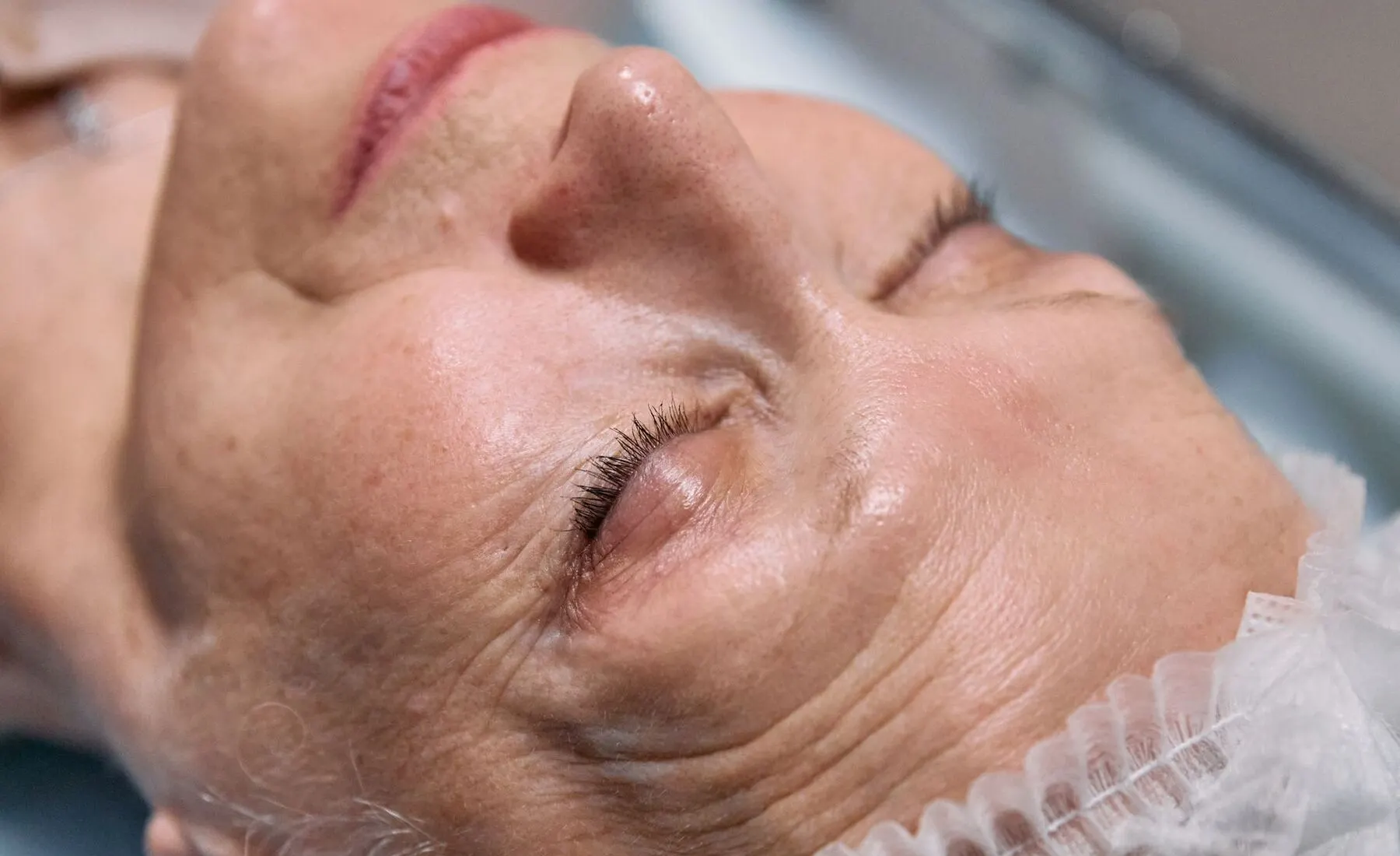
Watery-eye assessment and nasolacrimal lavage in Geelong West.
Assessment and in-room flushing of the tear-drainage pathway when constant watering may relate to poor drainage or a suspected blockage.
- Appointment
- 15–30 min
- Clinic fee
- $89
- Typical gap*
- $55
Unsure whether this is the right appointment? Call 03 4243 3344.
Understand the service before you book
Watery eyes do not always mean the eyes are producing too many tears. They can also occur with dry-eye irritation or when tears do not drain normally. The optometrist assesses the likely reason first; nasolacrimal lavage may then help assess and flush the drainage pathway.
*Full fee is paid first. The usual Medicare rebate shown by the clinic is approximately $34; eligibility and final rebate can vary.
Why are your eyes watering?
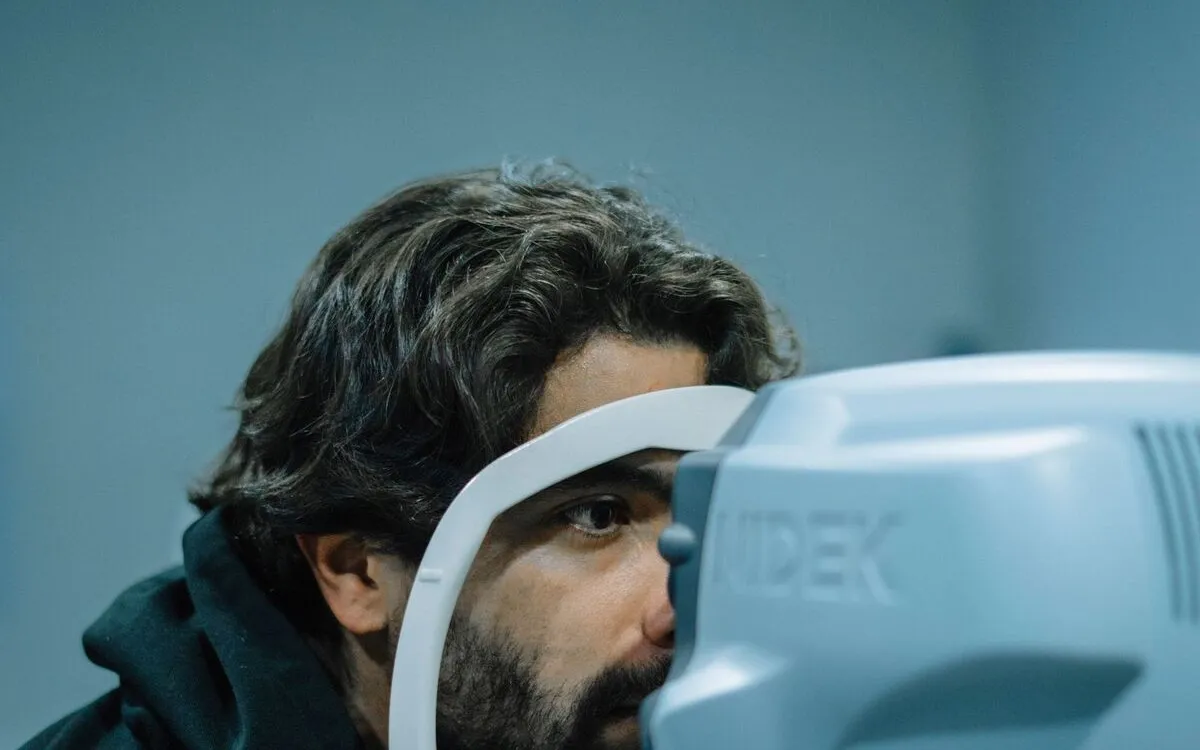
The same symptom can point to different problems, so this page does not ask you to diagnose the cause yourself.
One or both eyes water persistently.
A tear-drainage blockage has been suspected.
Your symptoms seem different from ordinary dry-eye irritation.
You need assessment to determine whether treatment or onward referral may be appropriate.
Assessment before the procedure
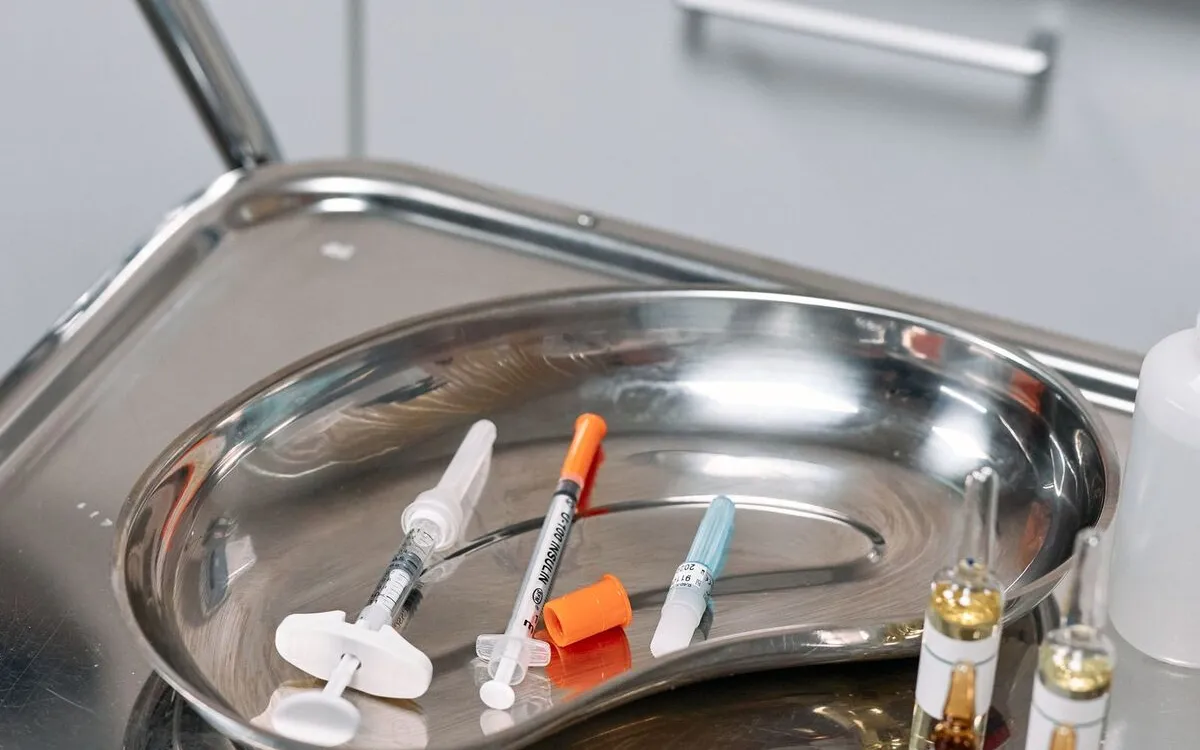
The optometrist first distinguishes likely drainage concerns from other causes of watering.
- 1
Discuss the pattern
You will be asked when the watering occurs, whether it affects one or both eyes and what else you notice.
- 2
Examine the eye and drainage pathway
The optometrist assesses the eye surface and signs relevant to tear drainage.
- 3
Flush or refer when appropriate
A lavage may help assess and flush the pathway. Further treatment or referral may be recommended if a blockage is confirmed or suspected.
What to bring and tell us
Previous eye history
Bring details of previous eye procedures, infections, injuries or referrals that may be relevant.
Current medicines and drops
Bring a current list or clear photographs of the products you use.
Your symptom timeline
Think about when the watering started, which eye is affected and whether anything makes it better or worse.
What the appointment can clarify
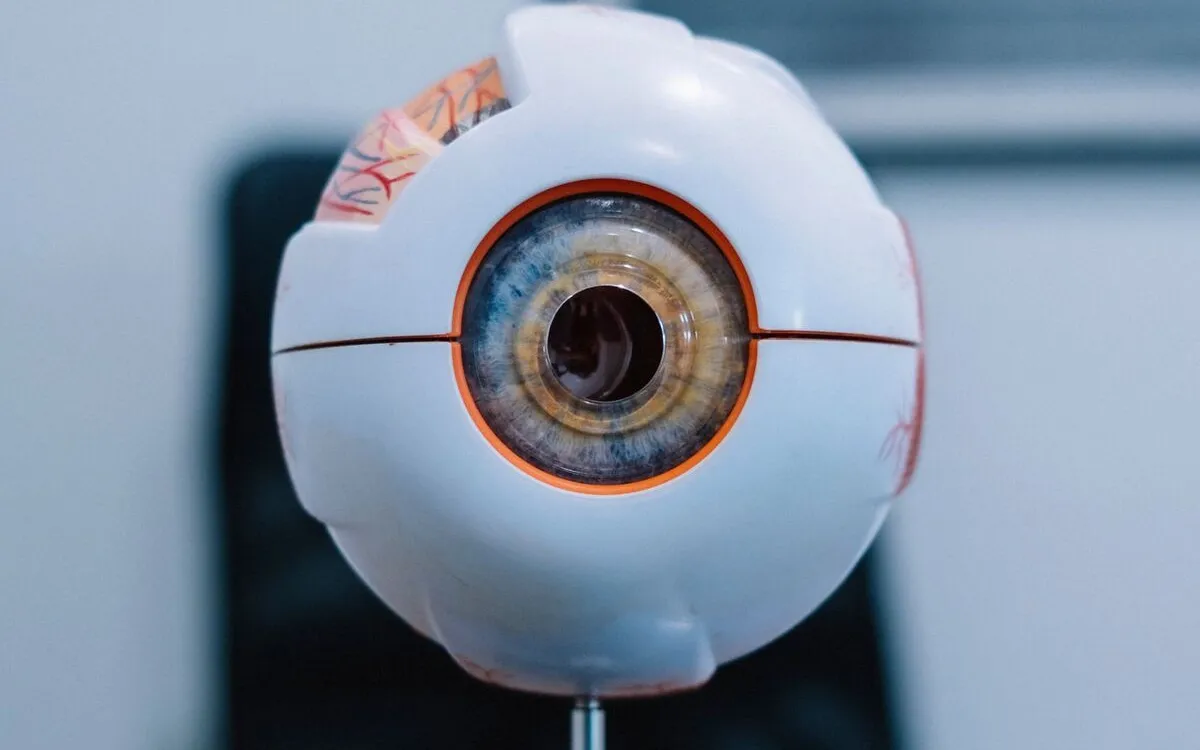
- ✓Whether watering appears more consistent with eye-surface irritation or a drainage concern.
- ✓Whether lavage is appropriate at this visit.
- ✓Whether further treatment, monitoring or referral may be needed.
- ✓The current clinic allocation is approximately 15–30 minutes for the lavage service.
Ready to take the next step?
Book a dry-eye assessment securely online, or phone the clinic if an optometrist has already recommended this treatment for you.
ⓘ How the pricing works (Medicare, rebates, eligibility)
The large figure is the typical gap after the usual Medicare rebate. The full clinic fee is paid upfront, then the eligible rebate is claimed at the front desk. The clinic fee and typical rebate are shown beside each price. Eligibility and the final rebate can vary depending on your Medicare history, so if you would like your exact figure confirmed first, call us on 03 4243 3344. Glasses and contact lenses are quoted separately.
Questions about Nasolacrimal lavage
Why can dry eyes make my eyes water?
What is nasolacrimal lavage?
How long does it take?
Will I need a referral?
Clear information. A considered next step.
Choose the appointment online or call the clinic if you would prefer help before booking.
Book a dry eye assessment