 Geelong Eye Health
Allergies can affect your eyes!
Allergic conjunctivitis happens when the eye surface reacts to an allergen. Seasonal pollen is one possible trigger. Dust mites, mould and animals can also be involved. Itching is a strong clue, but eye allergy can cause a broader mix of symptoms:
- Itching — often the strongest clue for allergy
- Watery or teary eyes
- Redness and irritation
- Puffy eyelids
- Burning, grittiness or tired-feeling eyes
- Symptoms that return around pollen, dust, pets or other triggers
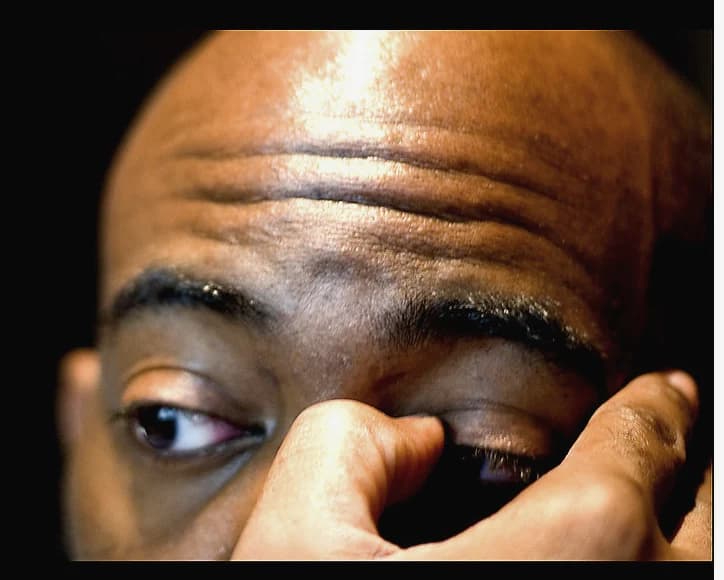
Itch is an important clue
People with eye allergy often want to rub their eyes. The same urge can occur with dry eye or inflamed eyelids, so the location and timing of the itch matter.
Try not to rub: it can intensify irritation. A cool compress over closed eyelids may provide temporary comfort.
Photo: Vox Efx, CC BY 2.0. Colour and tonal adjustments applied.
Eye symptoms can occur with sneezing or a blocked, itchy or runny nose. Normally, tears leave the eye through tiny openings in the eyelids, pass through the tear-drainage system and empty inside the nose. If that drainage pathway is narrowed or obstructed, tears may spill over onto the cheek. However, an ordinarily congested or “blocked” nose does not necessarily mean the tear duct itself is blocked. Allergies can also cause watery eyes by irritating the eye surface and triggering extra tear production.
Allergic conjunctivitis itself is not contagious. Infection and other causes of red eye can look similar. Thick or coloured discharge, worsening swelling or symptoms that do not settle warrant further assessment.
Leigh’s practical question
Is the itch mainly on the eye or at the lash line? Does it occur with burning, grittiness or fluctuating vision? These details can help distinguish allergy from dry eye or blepharitis. The examination still matters.
Why can allergy and dry eye be confused?
Allergy can inflame and destabilise the eye surface. Dry eye can cause many of the same symptoms, including burning, grittiness, redness, tiredness and fluctuating blur. It can also trigger reflex watering. Because both conditions may occur together, watery eyes do not rule out dry eye.
The assessment begins with your symptom pattern and possible triggers. It may also cover contact lenses, cosmetics and medicines. The examination then looks at the eyelid margins, tear film and eye surface. Together, these findings can identify the contributors that appear relevant to you.
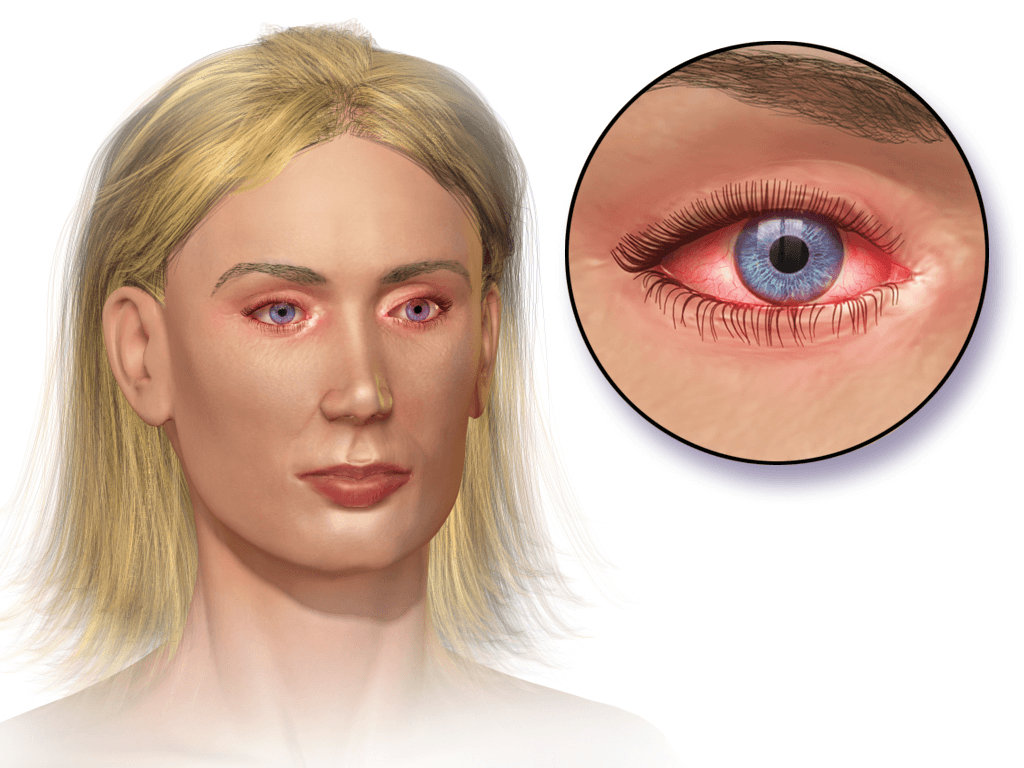
Antihistamine tablets can make eyes feel drier
Some oral medicines, including some antihistamines, can reduce tear secretion or add to dryness in susceptible people. Even so, the medicine may still be treating important allergy symptoms. Do not assume that it is wrong or should be stopped.
Bring a list or photographs of everything you take and use. If a medicine may be contributing, your optometrist can explain the eye findings. Where needed, they can also coordinate with your GP, allergist or pharmacist. Do not stop or reduce prescribed medicine without advice from the clinician responsible for it.
What can you do before an appointment?
- Avoid rubbing your eyes, which can intensify irritation.
- Use a cool compress over closed eyelids for temporary comfort.
- Reduce exposure to a known trigger where practical and wash pollen from your face and hair after heavy exposure.
- Ask a pharmacist or eye-care professional before choosing anti-allergy or redness-relief drops.
- Keep a short note of timing, triggers, medicines and how long any drop helps.
General self-care may help with mild symptoms. When symptoms persist, however, it is not a substitute for assessment. Relying on one remedy can overlook dry eye, blepharitis, infection, a foreign body or a drainage problem.
Deep eye-surface rinse
Allergens, debris or inflammatory material can remain trapped beneath the eyelids. Using eye drops may be uneffective since they may not be able to reach every corner of the eye surface. So, to flush these substances out, Rinsada can be used. It is a short in-clinic treatment that uses saline to rinse beneath the eyelids, including the deeper folds where the eyelids meet the eye surface.
The rinse is done by a trained practitioner who attaches the single-use Rinsada device to a standard medical syringe filled with saline. The micro-ports direct the fluid to clean beneath the eyelids, especially the conjunctival fornix and eyelid under surfaces. It reaches areas standard eye drops or manual rinsing cannot access, helping to strip away bacterial biofilm and microscopic irritants. The procedure takes only a few minutes. It may be considered for persistent grittiness, irritation or eye-surface flare-ups after an assessment identifies it as appropriate.
Part of a broader care plan
Rinsada is generally used alongside allergy, blepharitis or dry-eye care—not as a standalone cure or a replacement for your daily routine. One clinical study found lower MMP-9 levels, an inflammatory marker linked to dry eye disease and surface irritation. Your optometrist can explain whether that evidence and this treatment are relevant to your symptoms.
What about eye or tear-duct flushing?
Tears from the eyes are carried to the nose by the puncta, canaliculi, lacrimal sac and nasolacrimal duct as shown by the AAO anatomy guide below.
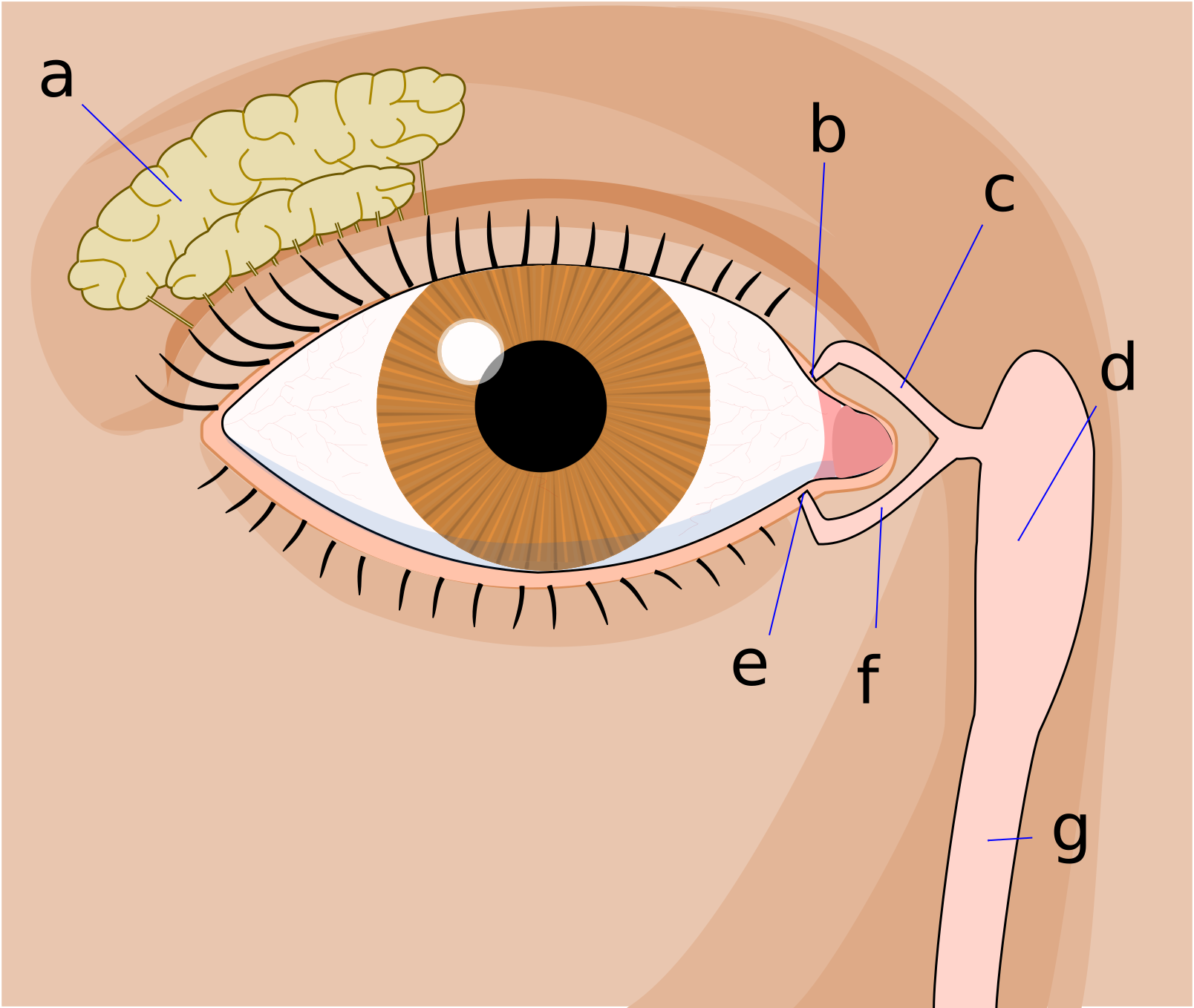
Clinicians may use irrigation to investigate whether the tear-drainage pathway is open or obstructed. It is not a standard treatment for allergic conjunctivitis. It is also not presented here as a way to remove sinus allergens or improve breathing. When symptoms suggest a drainage problem, Leigh may assess that pathway. An individual assessment determines whether this is suitable.
When should you book?
Consider a routine assessment when itchy, watery, red or tired eyes keep returning. An assessment may also help when self-care is not enough or drops provide only brief relief. Bring the products and medicines you use, or clear photos of their labels.
A sudden or severe change is not routine allergy
Seek urgent professional assessment for severe pain, marked light sensitivity or a sudden or persistent vision change. Injury, chemical exposure, a foreign body and pronounced one-sided redness also need urgent assessment. Review the clinic’s emergency eye-care guidance rather than waiting for a routine online booking.