 Geelong Eye Health
The quick answer
A stye is usually a tender, red infection around an eyelid gland. A chalazion is usually a deeper inflammatory lump caused by a blocked meibomian oil gland. A stye can calm down and leave a firm, less painful lump behind. That lump may resolve, but some persist, recur or grow large enough to affect vision.
Do not squeeze it. Use only gentle, comfortably warm—not hot—self-care. A chalazion may take six to eight weeks to resolve, but have it examined sooner if you are unsure what it is, it remains troublesome after the painful stage, keeps returning or changes your vision.
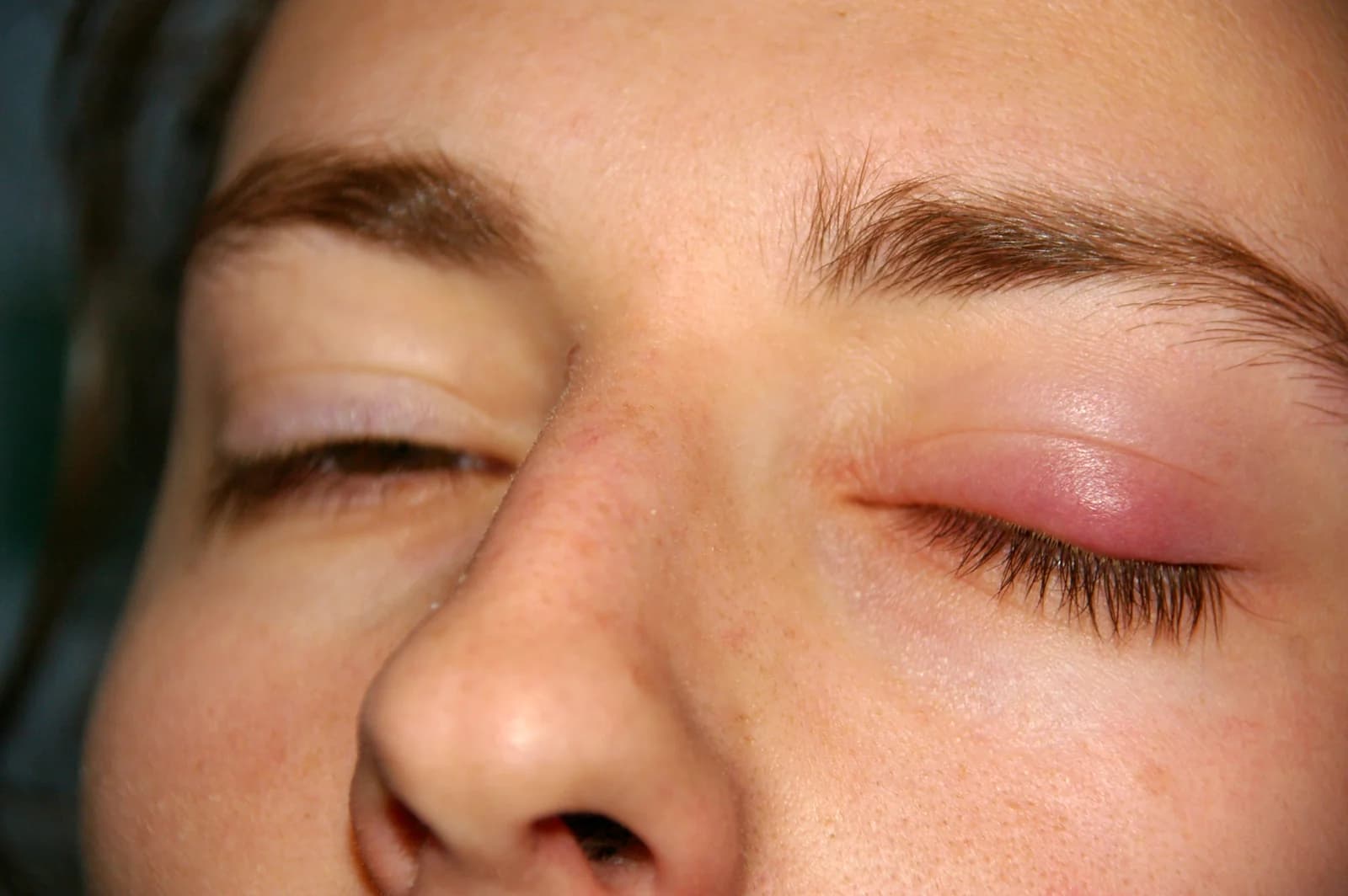
Stye or chalazion: what changes?
Often the painful stage
Stye (hordeolum)
- Usually red, sore and tender
- May sit near the lash line or deeper in the lid
- Caused by an infected eyelid gland
- May look like a small pimple—but should not be popped
Often the persistent stage
Chalazion
- Usually firmer, deeper and less painful
- Forms when a meibomian oil gland is blocked
- May wax and wane instead of disappearing
- Can press on the eye and distort vision when large
This is not a perfect home diagnostic test. A tender chalazion can be inflamed, while a deeper internal stye may not show a visible head. Other eyelid conditions can also mimic a common lump. The timeline, location, lid margin and inside of the eyelid all matter.
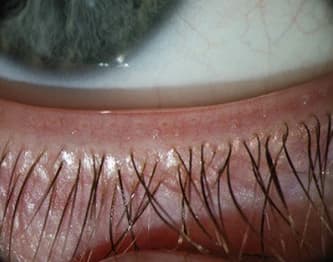
What happens when the infection has gone, but the lump is still there?
While the gland is infected, the lid is painful for the first week. Then, as the infection resolves, the soreness settles, but an inflammatory build-up can remain. It may become less obvious and then flare again. People often arrive at Geelong Eye Health after trying antibiotic tablets, baby shampoo or repeated compresses without understanding why the firm lump remains.
The lump that stays after the inflamation is gone is usually a chalazion. It can be firm, soft and fluctuate in size. It's like having a pimple on your nose, but it's not always merely cosmetic. A larger lump can press on the cornea. One of our patients described having double vision in one eye as a result before seeking help.
“Some people are tempted to squeeze it as well, and it’s not that sort of pimple.”
Leigh Plowman, discussing persistent eyelid lumps.
What can you safely do at home?
- Leave the lump alone. Do not squeeze, puncture or try to drain it.
- Keep hands, makeup and contact lenses away while the lid is acutely sore or inflamed. Wash your hands before touching the eye area.
- Use gentle warmth only. Australian and international patient guidance commonly recommends a clean, comfortably warm compress for a recent uncomplicated stye or chalazion. Keep the eye closed, avoid pressure and never use heat that could burn.
- Massage only gently. Some patient guidance recommends light massage after warmth. Stop if it hurts, and do not press hard enough to try to force the lump to drain.
- Do not escalate indefinitely. More heat is not always better. If warmth worsens inflammation—or the lump has become firm and long-standing—book an assessment instead.
- Do not self-prescribe. Antibiotics are not routine treatment for a non-infected chalazion. Use medicine only when a clinician has assessed the lid and recommended it for you.
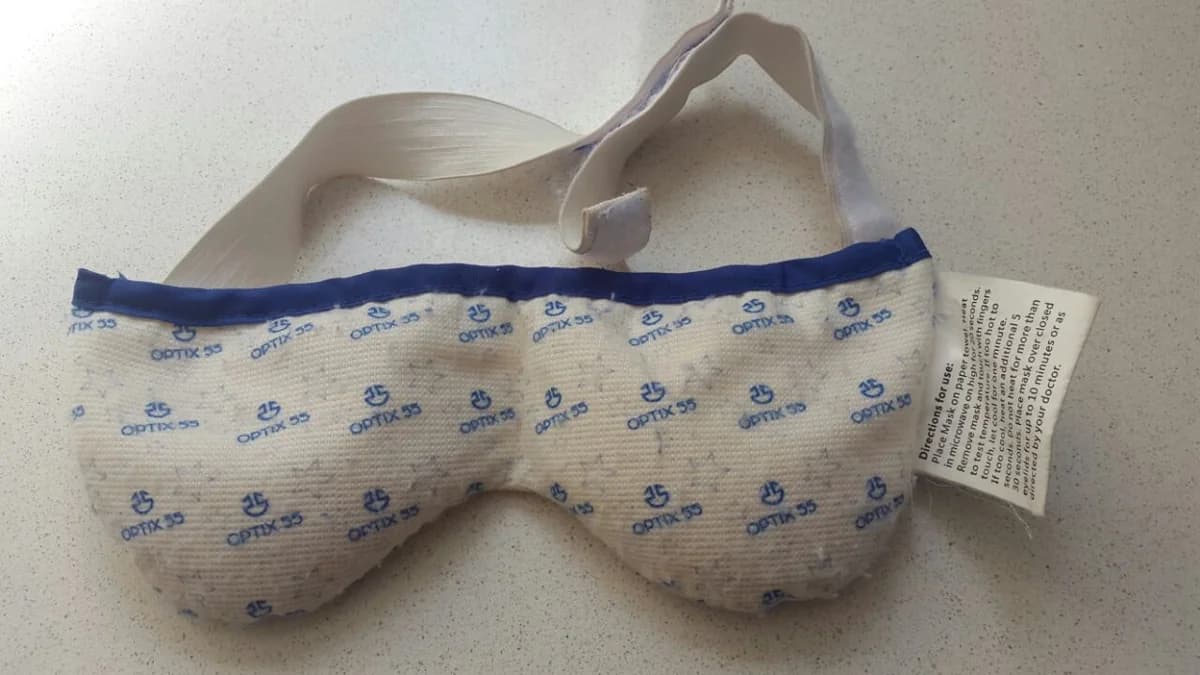
Can you reduce the chance of another stye or chalazion?
Prevention is not perfect. Skin type, oil-gland function, blepharitis and rosacea can all affect risk. Our practical focus at Geelong Eye Health is to reduce the build-up around the lashes and lid margins without turning eyelid care into harsh scrubbing.
- Wash your hands before touching your eyes or handling contact lenses.
- Remove eye makeup and avoid sharing cosmetics or towels.
- Replace eye makeup regularly and discard products used during an active infection.
- Change pillowcases regularly, especially during a flare.
- If flakes, crusting or recurrent lumps keep appearing, ask whether blepharitis, meibomian-gland dysfunction or ocular rosacea is contributing.
- Use a purpose-made eyelid cleanser only as directed; plain shower water may not remove oily lash-line build-up, while ordinary soap can sting the eye.
At Geelong Eye Health, we often hears people describe flaky material as “sleep” that they simply flick away. A little dry discharge on waking can be normal. Recurrent crusting, yellow discharge or a persistently inflamed lash line deserves assessment rather than increasingly aggressive cleaning.
When should you have an eyelid lump checked?
Book a routine assessment if:
- You are uncertain what it is or it remains troublesome after the painful stage
- The painful stage settles but a firm lump remains
- It keeps returning in the same or another spot
- You also have crusty lashes, dry eye or rosacea
- You are unsure whether it is a stye, chalazion or something else
Seek prompt or urgent care if:
- Vision becomes blurred, distorted or doubled
- Pain is severe or rapidly worsening
- Redness or swelling spreads around the eye
- You have fever, feel unwell or cannot open the eye
- The lump bleeds, ulcerates, causes lash loss or has an unusual appearance
A recurrent or atypical lump, especially one repeatedly appearing in the same place, may need ophthalmology review to exclude less common eyelid disease. Sudden vision change or severe eye pain should follow the clinic’s emergency eye-care pathway.
What might treatment involve?
The first step is to establish what the lump is and what is happening around it. We examines the outside and inside of the lid, the gland openings, lashes and eye surface. Photographs can provide a baseline so change is measured rather than guessed.
Care is usually conservative first. Depending on the findings, that may include a tailored eyelid-cleaning routine and treatment of associated blepharitis or meibomian-gland dysfunction. Leigh may discuss in-clinic eyelid cleaning, meibomian gland care or IPL treatment when the wider eyelid, oil-gland and inflammatory findings make those options relevant. These are not universal chalazion treatments, and the number of visits cannot be predicted from an article.
A long-standing lump can be slower to change. First, we always give conservative care “a good go” and photographs progress, but some lumps might still need referral for a steroid injection or surgical drainage. Surgery can be appropriate; the decision depends on persistence, size, vision effects, recurrence and the diagnosis.
Start with assessment
Dry Eye Clinic
Assessment of the eyelids, meibomian glands, tear film and eye surface before an in-clinic treatment is selected.
When findings support it
IPL treatment
Learn when Leigh may consider IPL for associated oil-gland dysfunction or eyelid inflammation after assessment.
Lid-margin care
ZEST eyelid cleaning
See how in-clinic eyelid cleaning may fit when debris, biofilm or blepharitis is part of the picture.
From searching to a sensible next step
Still wondering whether to wait?
If the painful stage has passed but the lump remains—or it keeps returning—an examination can clarify what it is, document its size and show whether the lid margins and oil glands also need attention.